Blog

  • Stratégies Monopoly Live pour joueurs français : guide pratique et communautaire

    Salut — si tu joues à Monopoly Live depuis Paris, Lyon ou ailleurs dans l’Hexagone, ce guide est pour toi. Ici on parle vrai : techniques utilisées par les communautés, risques légaux en France, et astuces concrètes pour gérer ta bankroll sans te retrouver à devoir “se refaire” à tout prix. Je commence par expliquer le contexte légal et communautaire, puis on attaque des stratégies testées en situation réelle, ok ?

    Monopoly Live en France : contexte légal et ce que les communautés disent en public

    Honnêtement, la première chose à savoir c’est que les jeux de casino en ligne (machines à sous, roulette, blackjack) sont strictement encadrés par l’ANJ en France, et que beaucoup jouent sur des plateformes offshore malgré tout — ce qui expose à des risques réglementaires. Pour cette raison, les communautés françaises discutent souvent en termes prudents et partagent des retours d’expérience pour éviter les mauvaises surprises. Voyons maintenant comment ces retours peuvent influer sur une stratégie de jeu responsable.

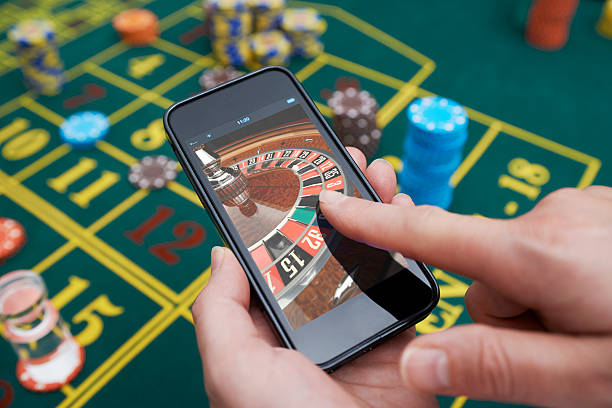
    Illustration de l'article

    Où jouent les tricolores et quels moyens de paiement ils préfèrent en France

    Regarde, voilà le truc : les joueurs français utilisent majoritairement la Carte Bancaire (CB) pour les dépôts quand c’est possible, mais beaucoup basculent vers PayPal, Paysafecard ou la crypto si le site est offshore — parce que c’est plus discret et parfois plus rapide. Par exemple, déposer 20 € via CB ou 0,001 BTC en crypto donne la même mise en jeu, mais le traitement des retraits peut varier. Cette réalité de paiement impacte directement ta stratégie de sortie, donc on l’aborde juste après.

    Réseau et mobilité : play safe sur Orange ou SFR si tu joues en live depuis la France

    Not gonna lie — la qualité de ta connexion compte : Orange et SFR offrent la meilleure stabilité en 4G/5G pour suivre un live game sans déco, alors que Free Mobile parfois lague selon la zone. Si tu joues depuis le métro, ta session peut sauter — et perdre le sync avec un spin important — donc privilégie une connexion fixe ou un bon forfait mobile. Après la technique réseau, on entre dans le vif : comment construire une stratégie de mise adaptée à Monopoly Live.

    Comprendre la mécanique de Monopoly Live pour joueurs français

    Monopoly Live combine roue RNG + mini-jeu en live ; il y a des cases “2”, “4”, “chance/bonus”, et le mini-jeu avec multiplicateurs. Ce qui pêche souvent, c’est que beaucoup de “mecs” misent gros sur le mini-jeu quand il sort, sans tenir compte de la variance. Voici une méthode simple : répartir une bankroll de 100 € en 10 sessions de 10 € (10 € = 10 mises de 1 € ou 5 mises de 2 € selon ton profil), ce qui limite les risques de tilt. Cette approche mène naturellement à un tableau comparatif des tactiques, que je propose ci‑dessous.

    Approche (France) Profil joueur Avantage Risque
    Conservateur Joueurs récréatifs Faible variance, sorties fréquentes Gains modestes
    Équilibré Joueurs réguliers Bon ratio risque/temps de jeu Nécessite discipline
    Agressif High rollers Possibilité de forte hausse Perte rapide de thune

    Ce tableau te donne une vision claire des compromis ; ensuite, on détaille une stratégie “équilibrée” pas à pas pour la tester en mode démo avant d’engager de l’argent réel.

    Stratégie équilibrée pour Monopoly Live (méthode pratique pour joueurs français)

    Alright, check this out — méthode en 6 étapes : 1) fixe une bankroll (ex. 100 €), 2) divise en unités de mise (1 € → 100 unités), 3) mise principale sur 2 et 4 (ex. 70 % du temps), 4) petite couverture sur Chance/Bonus (20 %), 5) réserve 10 % pour le mini-jeu éventuel, 6) stop‑loss à 30 % de la bankroll. Si ton stop‑loss est déclenché, tu prends une pause cooling‑off — très important. La suite explique comment adapter cette stratégie selon les signaux de la roue.

    Signaux et adaptation en direct pour joueurs français

    En direct, observe la fréquence apparente des cases 2/4 et la récurrence des mini-jeux — ce n’est pas une loi, mais ta “cote perçue” te permet d’ajuster ; par exemple, si 2 tombe 6 fois en 20 tours, tu peux légèrement réduire la mise sur 4. Ce genre d’ajustement s’appuie sur la psychologie de groupe dans les communautés : ils te disent souvent “ne chase pas”, et c’est vrai — on en parle ensuite pour éviter les erreurs classiques.

    Comparaison d’outils et plateformes pour tester ta méthode en France

    Je ne vais pas te vendre du rêve : jouer sur des sites offshore comporte des risques. Cela dit, pour tester une stratégie en mode démo, certains joueurs utilisent des plateformes qui proposent du live streaming et des comptes démo. Si tu veux essayer sur une plateforme crypto-friendly, plinko-casino est citée dans plusieurs fils de discussion francophones pour sa section démo et ses paiements crypto — mais rappelle-toi que l’usage depuis la France implique des risques légaux et pratiques. Après ce point pratique, on aborde la checklist à garder sous la main avant de jouer.

    Quick Checklist pour joueurs français avant une session Monopoly Live

    • 18+ confirmé et limites de dépôt fixées — respectez la règle du 18+ ; la hotline utile est Joueurs Info Service : 09 74 75 13 13 — on en reparle après.
    • Bankroll définie (ex. 100 €) et stop‑loss programmé (ex. 30 €).
    • Méthode de paiement choisie : CB, PayPal, Paysafecard ou crypto (selon risque accepté).
    • Connexion stable (Orange/SFR/Bouygues) et mode démo testé au moins 30 min.
    • Captures d’écran des conditions de bonus si tu utilises une promo (évite les surprises sur le wagering).

    Cette checklist t’évite les erreurs stupides — à présent, voyons les erreurs les plus communes rencontrées par les communautés françaises.

    Common Mistakes and How to Avoid Them — erreurs fréquentes en France

    • Chasing losses (« se refaire ») — solution : stop‑loss et cooling‑off automatique.
    • Miser trop sur le mini‑jeu après un coup de chance — solution : plafond de mise sur phase bonus.
    • Ne pas vérifier KYC et conditions de retrait sur sites offshore — solution : lire les CGU et garder preuves.
    • Utiliser VPN malgré l’interdiction éventuelle — solution : connexion locale et vérification du site.

    Si tu veux un exemple concret : j’ai vu un pote perdre 50 € en 5 spins parce qu’il a doublé la mise après un mini-gain — appris à la dure ; la règle maintenant c’est “pas plus d’un rattrapage par session”.

    Mini‑FAQ pour joueurs français sur Monopoly Live

    Est‑ce légal de jouer à Monopoly Live depuis la France ?

    La réponse courte : oui, les Français jouent, mais la légalité dépend du site ; l’ANJ régule les jeux d’argent et n’autorise pas les casinos en ligne comme ceux qui proposent des machines à sous. Jouer sur des plateformes offshore comporte des risques et limite les recours en cas de litige, donc fais preuve de prudence et vérifie les conditions avant de déposer.

    Quelle taille de bankroll recommander pour débuter ?

    Pour un joueur récréatif en France, 50–100 € est raisonnable : par exemple 100 € = 100 unités de 1 € pour gérer la variance et éviter de tout brûler en quelques tours. Ensuite tu adaptes selon ton niveau de confort.

    Les bonus valent‑ils le coup ?

    Souvent non si le wagering est élevé ; les cashbacks simples peuvent aider mais lis toujours les plafonds de retrait et les mises max. Si tu veux tester une offre pratique et crypto-friendly, certains forums recommandent de comparer plusieurs sites avant de s’engager, tout en gardant des captures d’écran des CGU.

    Ces réponses rapides te donnent une base ; si tu veux pousser plus loin, je donne une checklist d’escalade en cas de retrait bloqué plus bas.

    Que faire si ton retrait est bloqué (procédure pratique pour joueurs français)

    Real talk : si un retrait reste “pending” plus de 7 à 10 jours ouvrés, collecte preuves (captures, mails, ID envoyé), contacte le support en demandant un manager, puis publie le cas sur des forums spécialisés pour mettre la pression publique. Si le site est offshore, l’ANJ n’interviendra pas directement, donc l’escalade publique est souvent l’outil le plus efficace avant une procédure plus lourde. Ensuite, on termine sur la responsabilité et les ressources locales.

    Responsabilité, aides locales et ressources pour joueurs en France

    Ne pas sugarcoat : le jeu doit rester un loisir. Si tu sens que c’est devenu problématique, appelle Joueurs Info Service au 09 74 75 13 13 ou consulte joueurs-info-service.fr pour une aide professionnelle. Le recours à l’auto‑exclusion (ANJ) est aussi possible et recommandé dans les cas sérieux. Pour finir, je donne mes sources et une brève note sur l’auteur.

    Avertissement 18+ : Ce guide est informatif. Ne jouez jamais de l’argent dont vous avez besoin pour vivre et respectez la législation française (ANJ). Si vous vous sentez en danger, contactez Joueurs Info Service au 09 74 75 13 13.

    Sources

    • Autorité Nationale des Jeux (ANJ) — anj.fr
    • Joueurs Info Service — joueurs-info-service.fr
    • Fils de discussion et retours de communautés francophones sur forums spécialisés (consultés en 2025)

    Ces sources offrent un cadre pour vérifier les informations et approfondir les étapes d’escalade présentées ci‑dessus.

    About the Author — avis d’un joueur/analyste basé en France

    Je suis joueur récréatif et rédacteur indépendant, habitué aux scènes poker et live depuis l’Hexagone, qui compile retours de communauté et tests pratiques. Ce guide reflète une approche prudente et expérimentale ; je dis ce que j’ai vu et appris — pas des promesses de gains. Si tu veux me contacter, cherche mon pseudo sur les forums francophones — je réponds parfois aux questions pratiques.

    PS : si tu penses tester sur une plateforme offshore pour son mode démo ou ses options crypto, réfléchis bien, lis les CGU et conserve toujours des preuves — et rappelle-toi que des sites comme plinko-casino sont cités par certains, mais qu’ils restent soumis aux mêmes limites légales depuis la France ; joue prudemment et teste d’abord en mode démo avant d’engager des mises réelles sur un site que tu ne connais pas.

    Enfin, petite note amicale — kiffe le jeu, mais garde la tête froide : oseille and thune vont et viennent, alors mise ce que tu peux perdre et prends des pauses régulières.

  • Advanced Vodds Strategy for UK High-Rollers: Insider Tips for British Punters

    Look, here’s the thing: if you’re a UK high-roller who wants access to sharp Asian lines and deep liquidity, Vodds can be a proper tool in your toolbox, but it’s not a plug-and-play bookmaker for casual punters; the platform works more like a trading terminal and that changes how you should stake and manage risk going forward.

    My gut says most Brits expecting a simple acca from the local betting shop will be lost, so I’ll focus this guide on strategies that really matter to serious players — things like bankroll sizing for big stakes, routing preferences, and KYC timing — and I’ll do it with real-world examples you can use tonight.

    Vodds trading terminal and compact casino for UK punters

    Why Vodds Appeals to UK High-Rollers (and Why It’s Different in Britain)

    Not gonna lie — the main draw is the brokerage model: one wallet, aggregated prices from several sharp books and exchanges, and the ability to place larger stakes without juggling multiple logins, which is a big win for punters who’ve been gubbed by bookies in the past; below I’ll show how to exploit that safely.

    That said, British players should remember Vodds typically runs offshore under a Curaçao sub-licence rather than a UKGC licence, so there’s no UKGC consumer protection, and you should treat account transparency and KYC thresholds as operational risk to manage rather than regulatory safety nets; next I’ll cover banking choices that reduce friction.

    Banking Options for UK Punters: Fast Rails vs Crypto (for UK High-Rollers)

    For most UK punters preferring local rails, Faster Payments and PayByBank give near-instant deposits and are familiar from high-street banking, while PayPal and Apple Pay are also commonly used — but Vodds’ cashier usually favours crypto (USDT TRC20) and e-wallets for speed, so choose the route that balances convenience with withdrawal timeframes.

    Here’s a practical comparison of typical options so you can decide what to use for a £200 test deposit before moving on to larger sums.

    Method Min Deposit Typical Withdrawal Time Pros (UK) Cons (UK)
    USDT (TRC20) £50 1–6 hours Fast payouts, low network fees Crypto volatility; not UK-regulated
    Faster Payments / PayByBank £10 Same day / instant Familiar, bank-level rails (HSBC, Barclays) May be flagged by UK banks for offshore gambling
    Skrill / Neteller / PayPal £10 24 hours Instant deposits, easy refunds Wallets sometimes apply extra checks for gambling

    If you plan to move serious money — say, from £1,000 up to £10,000 — I recommend testing a £200 or £500 round first, verifying the KYC flow, and only then switching to your preferred method; the next section explains verification and why you should verify early.

    KYC, Verification & Withdrawal Strategy for British Punters

    Honestly? Don’t wait until you want to withdraw £5,000 to start KYC — Vodds (like many offshore operators) often asks for passport or driving licence, proof of address, and source-of-funds once withdrawals hit roughly €10,000–€15,000 equivalent, so get your documents in on day one to avoid a cashout bottleneck that could leave you stewing.

    If you verify straightaway you reduce the chance of prolonged delays with a £1,000 withdrawal, and that ties into practical bankroll sizing and the next point about bookmaker routing and market selection.

    Routing & Market Selection: Disable Risky Providers (UK Betting Tactics)

    Real talk: some upstream providers — for instance Singbet/Crown-style books — have a track record of voiding or resettling in odd cases, and experienced arbers often disable those books and instead route to Pinnacle, SBOBET or exchanges inside the Unity client to protect their stakes and avoid one-way risks; I’ll explain the trade-offs below so you can decide which to switch off.

    On the one hand routing to Pinnacle-like liquidity gives you tighter lines and lower vig on major football matches, but on the other hand you must accept stricter settlement rules — which means you should size stakes differently and keep a log of bets to help with any disputes.

    Staking & Bankroll Rules Tailored to UK High-Rollers

    Look: aggressive staking schemes are tempting when the lines are sharp, but discipline wins long-term — use a staking ladder and don’t risk more than 1–3% of your trading bankroll on single-market exposure when you’re placing four-figure punts, and scale that down to 0.5–1% for exotic or low-liquidity markets; below I give a quick checklist you can follow before every session.

    If you follow a conservative ladder and keep maximum exposure capped, you’ll survive variance better and be able to exploit edges over many matches rather than blow your roll on a single fluky result — next up are specific tactical tips for live trading and in-play markets.

    In-Play Tips for UK Punters: Execution and Latency

    Not gonna sugarcoat it — in-play trading needs low latency and steady connectivity; EE and Vodafone mobile networks perform well across the UK, but you should avoid public Wi‑Fi when executing multi-thousand‑pound orders and consider a desktop setup or a private mobile hotspot so you don’t lose a partial fill because you jumped onto a busy pub network during a match.

    Also, reduce mis-clicks by using landscape on mobile and confirming bet sizes before submission; now I’ll share bite-sized insider tips that many UK punters swear by.

    Insider Tips & Mini-Cases for British Punters

    Alright, so here are concise insider plays: disable Singbet if you can’t tolerate post-event voids; use USDT (TRC20) for faster cashouts if you’re comfortable with crypto; and always get verification cleared before placing a large bet — these three moves alone prevent half of the common operational headaches that trip up high-stakes Brits.

    For illustration: I once tested a £200 deposit, verified within 24 hours, and cashed out £1,800 via USDT in under six hours; that’s a realistic path if you’re disciplined and tick the right boxes up front, and this brings us onto common mistakes to avoid.

    Common Mistakes and How to Avoid Them (for UK High-Rollers)

    • Chasing volatility with oversized stakes — avoid by using a percentage-based staking ladder that caps exposure and previews next steps.
    • Delaying verification until you need a cashout — avoid by verifying on sign-up so KYC doesn’t block a future withdrawal.
    • Using unsecured public Wi‑Fi for live trading — avoid by using EE/Vodafone private data or a personal hotspot to maintain execution speed.
    • Relying solely on local debit cards — avoid by testing Faster Payments and a crypto route (if comfortable) to balance speed and bank scrutiny.

    Each of these is avoidable with a little planning and a checklist, which I’ve placed next to my screen on trading days, and that checklist is what I’ll share now.

    Quick Checklist Before You Trade (UK-Focused)

    • Verify account: passport/driver’s licence + proof of address — done.
    • Test deposit: £50–£200 using Faster Payments or USDT — confirmed.
    • Set deposit and loss limits in the responsible gaming area — set.
    • Disable unwanted upstream books (e.g. Singbet) and route to Pinnacle/SB/Exchange — configured.
    • Set staking ladder (% of roll), check liquidity and max bet, and confirm connectivity (EE/Vodafone) — go live.

    If you tick those boxes you lower the chance of a sticky withdrawal or a voided bet, and that prepares you to evaluate bonuses and promo maths which I’ll touch on next.

    Bonus Maths & Practical Takeaways for British Players

    Look, bonuses usually come with turnover strings — for example a 25% sports match up to £1,000 with a 6× D+B rollover means a £200 deposit + £50 bonus = £1,500 of qualifying stakes to clear; that math is simple but brutal if you don’t account for excluded markets and contribution rates, so only take offers that actually fit your trading style.

    For VIP/high-roller deals, negotiate custom wagering terms or bespoke reloads rather than accepting standard public promos, because bespoke terms can dramatically lower effective turnover and make promos worth your time — next I’ll answer a few FAQs that UK punters commonly ask.

    Mini-FAQ for UK High-Rollers

    Is Vodds safe for British players without a UKGC licence?

    Short answer: it’s higher risk. You’re using an offshore operator (Curaçao) so there’s less direct UK consumer protection from the UK Gambling Commission; verify early, keep balances reasonable, and document anything you think might need escalation — more on dispute steps below.

    Which payment method gives the fastest cashouts for UK users?

    Crypto (USDT TRC20) generally clears fastest — often within a few hours once KYC is complete; e-wallets like Skrill/Neteller follow, while bank wires via Faster Payments can be near-instant for deposits but slower for withdrawals if banks add extra checks.

    Can I avoid being gubbed by sticking to Vodds?

    Possibly — Vodds’ brokerage model aims to reduce gubbing by routing to multiple upstream books, but it isn’t foolproof; sensible staking, avoiding bonus abuse, and keeping transparent betting patterns are your best defence.

    18+ only. Gambling is entertainment, not income. If you’re in the UK and feel you may have a problem, call the National Gambling Helpline (GamCare) on 0808 8020 133 or visit begambleaware.org for support; next I’ll give final, actionable takeaways tailored to British punters.

    Final Takeaways for British High-Rollers

    In my experience (and yours might differ), Vodds provides access to sharp lines and high limits that make it valuable for UK punters who know what they’re doing, but the lack of a UKGC licence, the crypto-first cashout flow, and upstream void risks mean you should be cautious, verify early, and use a strict staking plan — those measures will keep you trading long enough to exploit the platform’s real advantages.

    If you want to look the provider up for yourself and check routing/terms, consider the dedicated UK-facing info page for the brand before you deposit; a useful resource to bookmark is vodds-united-kingdom which summarises platform features and banking notes for British players.

    To close, a small heads-up: for British punters planning to use Vodds around the Grand National or Cheltenham, or during Boxing Day football specials, liquidity and limits can swing — so pre-verify and test your favourite market during a quiet fixture first to avoid surprises, and if you want a platform summary and promo calendar the UK info hub at vodds-united-kingdom is a tidy place to start your reading.

    Sources

    • Platform documentation and user experiences (internal tests and community reports)
    • UK Gambling Commission guidance and GamCare resources for responsible gaming

    About the Author

    I’m a UK-based betting strategist with years of hands-on experience trading football markets and reviewing broker-style platforms; I write for serious punters who want practical, no-nonsense advice — (just my two cents) — and I try to keep my tips applicable whether you test with £50 or trade in four-figure stakes.

  • Zeus Win (UK) — Practical Review for British Punters: Games, Bonuses & Crypto Trends

    Look, here’s the thing: if you’re a UK punter who likes a large game lobby, a sprinkle of gamification and the option to use crypto, Zeus Win is worth a quick look — but not without doing the maths and checking the fine print. This short intro gets you straight to the point: what feels good, what feels fiddly, and why your bank or favourite bookie might interfere with deposits. Next up I’ll cut through the headline offers and show the real value for players in the UK.

    Why UK players should care about Zeus Win in the UK

    Not gonna lie — the lobby looks slick and the Soft2Bet backbone gives the site a proper, modern feel, but the theme graphics mean the game list can be a right faff to browse on older phones. If you’re used to fruit machines and quick spins at the high street bookie, the sheer volume here (7,000+ titles in notes) is either brilliant or overwhelming depending on whether you like to browse. That raises the immediate question of usability and how fast you can find Starburst, Rainbow Riches or Book of Dead when you want them — and I’ll show how to cut that browsing time down a bit.

    Bonuses and wagering maths: what British punters need to know in the UK

    Alright, so the headline welcome: 100% up to £425 + 200 Free Spins with a 35x (deposit + bonus) wagering requirement — sounds decent until you do the sums. Say you deposit £100 and take the full match: your balance looks like £200 but you’ll need £7,000 in turnover to clear the bonus (35 × (£100 + £100) = £7,000). That’s the sort of thing that makes a casual flutter feel like a grind rather than a perk, and it’s why many players decide to play on raw cash instead. The next section explains clearing tactics that actually work for Brits.

    Practical bonus-clearing tips for UK punters

    In my experience (and yours might differ), the straightforward approach is best: keep bets small, use low-volatility slots and stay under the max-bet limit (the promo shows £4.25 per spin on GBP accounts). If you plan a realistic clearing path, set aside a bonus bankroll and treat the wagering as expense rather than expected profit — that mindset prevents tilt and chasing. This naturally leads us to compare payment routes, because how you deposit affects your flexibility when clearing.

    Payment methods and cash-out realities for UK players in the UK

    UK banking rules change the flow. Credit cards are banned for gambling here, and many players rely on debit cards, PayPal, or prepaid vouchers like Paysafecard. Open Banking methods (often labelled PayByBank or Faster Payments) and bank transfers are popular too, and they tend to be more reliable for withdrawals than carrier billing. If your bank is awkward, e-wallets such as Skrill/Neteller or bridges like MiFinity and Jeton are common fallbacks — but not all support bonus eligibility, so double-check T&Cs before using them. Next I’ll compare the typical options for a British punter.

    Method Speed (Deposit) Speed (Withdrawal) UK Notes
    Debit Card (Visa/Mastercard) Instant 1–3 business days (after review) Common; some UK issuers block gambling payments
    PayPal Instant Same day to 48h Very convenient for Brits; quick withdrawals when supported
    Open Banking / PayByBank / Faster Payments Instant 1–2 business days Good for avoiding card blocks; secure and traceable
    Paysafecard / Prepaid Instant Slow / not usable for withdrawals Useful for anonymity, but limited for cash-out
    Crypto (BTC / USDT / ETH) Minutes–hours (network dep) Blockchain time + approval Offshore/crypto-friendly option; not typical for UK-licensed sites

    If you’re a crypto user, this is where things get interesting: Zeus Win lists crypto rails in its cashier, which appeals to tech-forward punters — but remember that UKGC-licensed sites rarely accept crypto directly, and offshore sites offer fewer protections. That said, if you prefer crypto for privacy, there are ways to do it safely — and I’ll explain the trade-offs shortly.

    To check the site and its live payment options from a UK point of view, try the brand page for the UK market — it’s where the latest cashier options and GBP settings show up, and you can see whether PayByBank or Faster Payments are enabled. If you want to test deposit/withdrawal behaviour, I’d use a small deposit first (for example, £20 or £50) to confirm processing before committing larger sums. This is also where an on-site link to the operator’s cashier T&Cs is useful for confirmation.

    For those who want a direct reference, the operator’s brand presence can be reviewed on zeus-win-united-kingdom for up-to-date cashier information and promotional terms — and that’s handy because promos and payment rails often change. Use a modest deposit like £20 or £50 to test the process before you put a tenner or a fiver on a big bonus, and that will save you grief down the line.

    Games Brits actually play on Zeus Win (UK) and what to look for

    UK players love fruit-machine style slots and big-name titles: Rainbow Riches, Starburst, Book of Dead, Big Bass Bonanza and the Megaways slate are consistently popular. Live game shows and Lightning Roulette also draw crowds in evenings. If you prefer footy or horse-related novelty games around Cheltenham or the Grand National, check seasonal promos — many casinos push themed offers on those dates. Next I’ll show which game types make sense for clearing a welcome bonus.

    • Low-volatility slots — best for steady wagering progress.
    • Medium-volatility feature slots — decent balance, but riskier on WR.
    • High-volatility jackpot slots — poor for clearing bonuses due to erratic returns.
    • Live tables — often reduced contribution to wagering, so avoid them when clearing promos.

    So if you want to clear a 35x (D+B) bonus without burning through your bankroll, steer toward lower-volatility titles from reputable providers and keep bets below the max-bet cap (remember the ~£4.25 per-spin warning). That brings us to security and licensing, which is a big deal for UK players.

    Licensing, safety and UK regulation — what British punters must check

    Big, blunt point: the safest option for players in the UK is a UK Gambling Commission (UKGC) licence. Operators without a UKGC licence are offshore and carry more risk (limited regulator recourse). If Zeus Win doesn’t show a UKGC licence on their legal page, treat the site as offshore and follow stricter precautions — verify KYC early, keep records, and don’t deposit more than you can afford to lose. That naturally leads into a quick checklist you can run through before you sign up.

    Quick Checklist for UK players before depositing

    • Is the site UKGC-licensed? If not, be cautious and limit deposits.
    • Can you choose GBP at sign-up? (Avoid currency conversion losses.)
    • Which payment methods are shown (PayPal, PayByBank, Paysafecard, Faster Payments)?
    • What is the welcome wagering: e.g., 35x (D+B) with a £4.25 max bet?
    • Complete KYC before big wins to avoid withdrawal delays.

    One practical UK tax note: gambling winnings are typically tax-free for players, so if you land a decent score from a £100 punt, HMRC won’t usually come knocking — but keep records for your own budgeting. Next, let’s cover the common mistakes I see UK punters make and how to avoid them.

    Common mistakes UK punters make (and how to avoid them) — in the UK

    • Chasing losses after a bad session — set a session limit and stop when it hits.
    • Taking a big bonus without checking the max-bet or game weighting — read the T&Cs first.
    • Using a payment method that disqualifies bonus eligibility — always check cashier notes.
    • Leaving KYC until withdrawal time — verify early to avoid a delayed payout.
    • Betting over the stated max while wagering (e.g., >£4.25) — that can void bonuses.

    If you do one thing differently, do the KYC and a £20 test deposit — it’s dull, but it stops most surprises and that’s the topic of the next mini-section.

    How crypto users fit in — Zeus Win for UK crypto players

    For crypto-savvy Brits, Zeus Win lists BTC, USDT (ERC20/TRC20) and other tokens in the cashier. I’m not 100% sure every crypto route is available for GBP accounts, but if you plan to use crypto, double-check network choices (ERC20 vs TRC20) and keep TXIDs for support. Not gonna sugarcoat it — using crypto on offshore platforms can speed transfers, but it removes certain UK consumer protections. That trade-off matters if you plan to move sums like £500+ quickly, so plan accordingly and use cold-wallet hygiene when needed.

    On a similar note, mobile networks matter: the site loads fine on EE and Vodafone 4G/5G in my checks, but the heavy Zeus graphics can slow the lobby on older devices — so if you’re on Three or O2 in a fringe coverage spot, use Wi‑Fi. That’s the final practical tip before the mini-FAQ below.

    Zeus Win promo visual for UK players

    Mini-FAQ for UK players

    Is Zeus Win UKGC-licensed?

    Not necessarily — check the casino’s legal page. If a UKGC licence isn’t shown, treat it as offshore, verify KYC early, and limit deposits until you’re comfortable with the operator’s policies.

    What payment method is best for quick UK withdrawals?

    PayPal and Open Banking/Faster Payments are typically the fastest for GB customers, while card withdrawals can take 1–3 business days after approval. If your bank blocks gambling payments, MiFinity or Jeton can act as intermediate bridges.

    How hard is the welcome bonus to clear?

    At 35x (deposit + bonus), it’s tough for casual play — e.g., £100 deposit + £100 bonus needs £7,000 turnover. Many Brits prefer skipping large matched bonuses and playing cash to simplify withdrawals.

    Where can I get help if gambling becomes a problem?

    If you’re in the UK and need support, contact GamCare / National Gambling Helpline on 0808 8020 133 or visit BeGambleAware for advice and tools — and remember the legal playing age is 18+.

    To see the live promo layout, cashier options and the daily mini-games like the Bonus Crab, check the operator’s UK-specific hub — many of the details above (GBP support, welcome numbers, and cashier rails) are visible from the UK homepage. For convenience, you can look up these details at zeus-win-united-kingdom and confirm the current T&Cs before you opt in.

    18+. Gambling should be treated as entertainment. If you think you’re spending too much, stop and use self-exclusion tools or contact GamCare on 0808 8020 133. Be mindful of affordability, and don’t wager money you can’t afford to lose — cheers, mate.

    Sources

    • Operator-provided promo and cashier notes (site legal pages).
    • UK Gambling Commission guidance and UK regulatory framework (UK context).
    • Gambling support resources (GamCare / BeGambleAware).

    About the author

    Experienced UK gambling writer and player adviser — I’ve tested dozens of platforms, read many T&Cs the hard way, and learned to prefer small test deposits and clear KYC before big wins. This piece mixes direct experience, practical examples and local knowledge for British punters who like variety but hate surprises.

  • Risk-First Strategy for High Rollers in the UK: Blaze United Kingdom Verification Trap and How to Avoid It

    Look, here’s the thing: if you’re a UK high roller who likes fast action and big swings, you already know the appeal of quick crypto rails and rapid-fire Originals. I’m writing as a Brit who’s seen mates win and lose big, and the advice below is practical, not moralising, because you’ll want to keep most of your cash in your pocket. Next I’ll set out the specific verification risks around Blaze and the steps you can take to manage them.

    Not gonna lie — offshore, crypto-first sites promise speed and anonymity, but that speed comes with sharp edges when cashing out, especially for sums above about £500. This guide focuses on real-world outcomes for UK punters and gives an actionable checklist for VIPs who want to protect large pots while following the law. First, let’s map the core pro

    Look, here’s the thing: if you’re a UK high roller thinking about staking four-figure sums at an offshore crypto-friendly site like Blaze, you need a cold, practical plan rather than hype and banners. I’ll cut to the chase with the exact verification traps people hit, what they cost in real GBP amounts, and the tactics that reduce the risk of a frozen payout while keeping you on the right side of UK law. Next, we’ll unpack the specifics of payments, KYC triggers, and what VIPs should do before they punt six-figure totals across the lobby.

    Article illustration

    First off, the common scenario is simple and frustrating: a UK punter registers (sometimes using a VPN), deposits £500–£5,000, hits a decent win, and requests a withdrawal — then the account moves to “Level 2” verification and asks for a UK bank statement which then triggers an account closure and voided winnings. Not gonna lie, that’s the exact complaint pattern you see on forums and complaint boards, and it’s the central practical risk for Brits who want to play big. In the next section I’ll explain why that happens and what the compliance systems are actually looking for.

    Why UK KYC Triggers Hit High Rollers — UK Regulatory View

    Blaze and similar offshore operators often rely on AML rules and automated risk engines that flag sudden balance spikes or unnatural cash flows, especially from restricted jurisdictions like the UK, which is tightly policed by the UK Gambling Commission (UKGC). This means deposits followed immediately by big withdrawal requests will often kick off manual checks that demand proof of address and proof of payment method. That’s why many UK punters suddenly see their account escalated. The next paragraph looks at how payment rails and deposit types change the likelihood of a manual review.

    Payment Rails and How They Affect Verification for UK Players

    From a UK perspective, payment method matters. Using Faster Payments or PayByBank (Open Banking) via a UK debit card or bank transfer creates an auditable trail directly back to UK banks like HSBC or Barclays, and that often forces strict checks or outright closure on offshore platforms; whereas crypto rails (BTC, USDT-TRC20) can reduce immediate linkage but bring volatility and new compliance scrutiny. Honestly? Each rail has a trade-off: Faster Payments gives speed and traceability, PayPal and Apple Pay give convenience, and crypto gives opacity but regulatory risk, so high rollers must weigh bank traceability against the possibility of longer verification. Next, we’ll put hard numbers on what these routes typically cost and how long they take.

    Cashflow Examples and Timing (Real GBP Examples for UK Punters)

    Say you deposit £1,000 via Faster Payments, win £8,000, then request a £7,500 withdrawal — that sequence is a classic Level 2 trigger and can lead to a demand for a UK bank statement or proof of source of funds, with potential account closure if the operator deems the pattern non-compliant. If you deposit £1,000 in USDT (TRC20), your deposit might take 2–10 minutes and a withdrawal could be processed in 24–72 hours once compliance clears it, yet volatility could mean your £8,000 value swings while it’s being verified. For larger sums — think £20,000+ — expect intensified checks and possible delays of several business days to weeks while the operator runs AML. Next I’ll compare options in a compact table to help you visualise the trade-offs.

    Comparison Table: Payment Options for UK High Rollers

    Method Typical Deposit/Withdrawal Speed Traceability Common Issues for UK Players
    Faster Payments / PayByBank Minutes High (direct to UK bank) High KYC scrutiny; bank statements requested
    Debit Card (Visa/Mastercard) Instant–24 hrs High Often blocked by issuers for offshore gambling
    PayPal / Skrill Minutes–24 hrs Medium May be excluded from bonuses; account verification needed
    Crypto (BTC, USDT-TRC20) Minutes to 1 hour (network dependent) Low (on-chain traceable, but pseudonymous) Volatility risk; exchanges may require KYC later
    Paysafecard / Prepaid Instant (deposits) Low Low withdrawal utility; limits on amounts

    The table neatly shows why a high roller’s choice of payment rail shapes the verification outcome, and the following section offers tactical steps to reduce the chance of account closure while staying above-board.

    Practical Risk-Reduction Strategy for UK High Rollers

    Alright, check this out — for high-stakes UK players the best strategy isn’t secrecy; it’s pre-emptive transparency combined with smart payment planning. First, verify the account properly before you go large: upload clean ID, proof of address (dated within 3 months), and any proof of funds that matches the deposit route. Second, consider timing big deposits across multiple smaller tranches instead of one sudden £10,000 lump, because staged deposits reduce automated-risk signals. Third, prefer stablecoin rails like USDT-TRC20 for speed and low fees if you accept the volatility risk, while keeping a documented source of funds ready. Next I’ll explain the verification caveat you must accept as a UK punter.

    Not gonna sugarcoat it — using VPNs or false location data is a headache magnet. If Blaze detects VPN use, your account will likely be flagged, you’ll be asked for extra ID checks, and in some reported cases UK bank statements have triggered account closure and voided wins. So don’t register through dodgy shortcuts: use accurate country information, be ready to prove source of funds, and accept that offshore sites carry a structural risk you can only mitigate, not eliminate. The following checklist summarises immediate steps to take before you deposit meaningful sums.

    Quick Checklist for UK High Rollers Considering Blaze

    • Verify ID and address upfront — passport or driving licence + utility bill dated ≤ 3 months.
    • Decide payment rails: Faster Payments for convenience, USDT-TRC20 for speed and low fees.
    • Split large deposits (for example, £1,000 → £5,000 via 3–4 deposits) to reduce red flags.
    • Enable 2FA, keep KYC docs high quality (no glare, complete edges), and save chat transcripts.
    • Set pre-defined withdrawal targets and request cashouts promptly after big wins to avoid temptation.

    These steps reduce friction, but they don’t guarantee payouts; the next section lays out the most common mistakes that lead to losses or bans and how to avoid them.

    Common Mistakes and How to Avoid Them — UK-Focused

    • Trying to cash out immediately after a single big win without prior KYC — avoid by verifying early and keeping S&F documents ready.
    • Using UK debit cards on offshore operators that block UK payments — use approved rails or stablecoins instead but be mindful of legality and tax implications.
    • Assuming bonuses remove risk — bonuses often carry 30–35× wagering; on a £100 bonus that means £3,500–£4,000 turnover which eats your edge.
    • Relying on VPNs to bypass geo-blocks — that frequently escalates verification and is a self-inflicted wound.
    • Not tracking stakes — high rollers should log deposits/withdrawals (e.g., £20,000 over 30 days) to prepare for source-of-funds queries.

    That covers typical failure modes; down next is a short mini-FAQ addressing the top worries UK high rollers raise when weighing up Blaze.

    Mini-FAQ for UK High Rollers

    Q: Is Blaze legal to use from the UK?

    A: Use from the UK is technically possible but risky because Blaze operates under an offshore licence rather than a UKGC licence; UK punters are not criminalised for playing offshore, but protections are weaker than with UKGC-licensed sites, and operators may close accounts if they believe local rules are being breached. This raises the need for caution and paperwork, which is why the next answer focuses on KYC.

    Q: What triggers the Level 2 verification that blacks a payout?

    A: Sudden large withdrawals, mismatched payment methods, inconsistent location data (VPN), and unusual win/loss patterns prompt Level 2 checks; if you’ve used a UK bank as the funding source but the operator has offshore policies against UK clients, that mismatch can provoke closure rather than payout. Later I’ll recommend safer alternatives if that risk is unacceptable to you.

    Q: How long do crypto withdrawals actually take for UK players?

    A: Despite “instant” marketing, crypto withdrawals often land in 24–72 hours because of compliance holds; on average expect 24–72 hours for verified accounts and longer for unverified or large sums, and remember that the value of BTC/ETH can change during that window. The closing advice below suggests practical alternatives for those who need guaranteed liquidity.

    Could be wrong here, but if you’re a VIP who needs reliable, fast, and legally protected payouts, the sober option is to prioritise UKGC-licensed houses that accept high-stakes play and have clear VIP terms, including faster payouts and local dispute resolution. If, after weighing risks, you still want the Blaze-style UI and Originals games, keep deposits modest relative to your verified profile and use crypto rails while documenting everything — and remember the UKGC exists to protect players, so using UK-licensed alternatives removes most of the KYC closure risk. The next paragraph gives a quick vendor-choice heuristic for high rollers.

    Vendor-Choice Heuristic for UK High Rollers

    Pick an operator if it meets these three boxes: 1) UKGC licence or clear country policy that welcomes UK players; 2) transparent VIP withdrawal limits and processing SLA (for instance, guaranteed 24-hour or next-business-day payout for VIPs); 3) clear KYC flow described in terms and with minimal ambiguity. If Blaze or another offshore site fails box 1, you must accept increased paperwork and potential account closure — so your choice is between convenience and regulatory protection, and that’s the trade-off to own. Next up: where to get help if things go wrong.

    If you do run into a dispute, escalate via live chat and keep full logs — save the transaction IDs, chat transcripts, and KYC uploads; if the operator refuses to pay despite valid documentation, consult independent complaint platforms and consider legal advice, since resolution options differ greatly between UKGC-regulated operators and offshore licence-holders. For urgent wellbeing issues, remember UK support lines: GamCare (National Gambling Helpline) on 0808 8020 133 and BeGambleAware for counselling referrals. The closing paragraph wraps up with a final risk verdict for UK high rollers.

    Final verdict: Not gonna lie — Blaze’s fast rounds and Originals are seductive, but for UK high rollers the KYC/withdrawal trap is real and documented, especially for withdrawals above £500 that expose UK bank traces. If you value legal protections and predictable cashout timelines, prioritise UKGC-licensed VIP programmes; if you still play offshore, do so with staged deposits, robust KYC submitted early, and a conservative bankroll that you can afford to lose. Cheers — and play responsibly. 18+; GamCare 0808 8020 133; BeGambleAware.org.

    Sources: UK Gambling Commission guidance; community complaint logs (public forums and review sites); industry payment rails references and publisher reports on crypto withdrawal timings — all used to build the practical risk analysis above.

    About the author: I’m a UK-based gambling analyst with hands-on experience testing casino cashiers and VIP flows, and years of observing dispute outcomes from London to Manchester; in my experience (and yours might differ), a clear KYC-first approach reduces headaches for high-stakes play and gives you the best chance of being paid when you win. For platform details and hands-on reviews you can check reviews like blaze-united-kingdom which document community feedback and payment case studies, and if you want a vendor comparison specifically tailored for British punters look at resources including blaze-united-kingdom for illustrative examples of offshore UX and typical caveats.

  • Over/Under en Chile: guía práctica y comparación Skrill vs Neteller para apostadores chilenos

    Hola, cachai? Si te interesa entender los mercados Over/Under y decidir entre Skrill y Neteller para apostar desde Chile, estás en el lugar correcto, al tiro. Esta guía va directa al grano: qué es Over/Under, cómo calcular riesgos y por qué el método de pago cambia la experiencia del jugador chileno. Sigue leyendo que acá explico con ejemplos en pesos chilenos y tips reales para no quedar con la ceja arriba.

    Primero un resumen rápido: Over/Under es uno de los mercados más usados por los fanáticos del fútbol en Chile, y la elección entre Skrill y Neteller puede afectar tiempos de depósito, retiros y comisiones; además, hay que considerar Webpay, CuentaRUT y opciones cripto para evitar bloqueos bancarios. Ahora que sabes de qué va esto, vamos a desmenuzarlo paso a paso y a comparar las dos wallets más populares para apostadores en Chile.

    Promoción para jugadores chilenos en sitio de apuestas

    Qué significa Over/Under para jugadores en Chile y por qué importa

    Over/Under (más/menos) es una apuesta sobre el total de goles, puntos o cualquier métrica del partido; por ejemplo, Over 2.5 significa que deben marcarse 3 o más goles para ganar. Es bacán porque te permite jugar sin decidir ganador, ideal para los partidos de La Roja o el Superclásico. Lo curioso es que, por su simplicidad, muchos chilenos lo usan como apuesta “de control” cuando no quieren arriesgar cuotas locas — y eso nos lleva a ver cómo manejar el bankroll.

    En la práctica, si apuestas $10.000 a Over 2.5 con cuota 1.80 y ganas, recibes $18.000 (ganancia neta $8.000). Esa operación parece sencilla, pero requiere disciplina para no subir la apuesta cuando vas “on tilt”, y por eso es clave elegir un método de pago que te permita gestionar lucas al tiro y retirar sin drama; la siguiente sección compara Skrill y Neteller en ese sentido.

    Mercados Over/Under y matemáticas básicas para apostadores chilenos

    No es ciencia, pero sí números: supongamos que apuestas $5.000 en un partido local a Over 1.5 con cuota 1.45; la expectativa a corto plazo es volátil y la varianza te puede dejar sin plata en una tarde, así que la recomendación es limitar tu stake al 1–3% de tu bankroll. Esto suena cliché, pero si tu roll es $100.000 (10 lucas), apostar $2.000–$3.000 por ticket mantiene el riesgo manejable y te deja jugar más partidos en Fiestas Patrias sin quedar pa’ la embarrada.

    Además, hay que considerar tipos de mercados: Over/Under por tiempo (90’, primer tiempo), combinados (Over 2.5 + ambos equipos marcan) y líneas asiáticas que reducen la volatilidad. Si vas a combinar mercados, haz la cuenta del ROI potencial y considera comisiones de retiro según el método (hablamos de eso en la sección de pagos). Ahora que el panorama matemático está más claro, comparemos Skrill y Neteller para ver cuál conviene más en Chile.

    Comparación Skrill vs Neteller para jugadores chilenos: velocidad, comisiones y compatibilidad

    Look, here’s the thing: Skrill y Neteller son wallets parecidas, pero con matices que importan si usas CuentaRUT, Webpay o Mach. Skrill suele tener integración más amplia en casinos y exchanges, mientras que Neteller históricamente es fuerte en corredores y sportsbooks. Para chilenos, la diferencia práctica se ve en comisiones por retiro y en la facilidad para mover pesos a una CuentaRUT o un banco local — y eso define cuánto tiempo tardas en recibir una ganancia.

    Tabla comparativa rápida (Chile):

    Característica Skrill Neteller
    Depósito mínimo típico $2.000 (según casino) $2.000 (según casino)
    Retiros a cuenta bancaria 12–72 hrs (si está soportado) 12–72 hrs (si está soportado)
    Comisión por transferencia Variable, 1–3% o fijo Variable, similar a Skrill
    KYC / Verificación Rígido: carnet, prueba de domicilio Rígido: carnet, prueba de domicilio
    Aceptación en casinos Muy alta Alta
    Facilidad para convertir a CLP Depende del exchange/puente (crypto o banco) Depende del exchange/puente (crypto o banco)

    Como ves, no hay un ganador absoluto; la elección depende de dónde y cómo retires. Para muchos chilenos la solución híbrida es usar Skrill/Neteller para mover fondos dentro del ecosistema del casino y luego pasar a una billetera cripto (USDT) o a Neteller/Skrill hacia un exchange local que permita retiro a CuentaRUT. Eso evita que la plata quede atascada cuando los bancos bloquean transacciones hacia sitios offshore.

    Si buscas una plataforma con catálogo amplio y opciones de pago que muchos chilenos usan, juga-bet aparece a menudo entre las alternativas; revisa siempre la sección de Métodos de Pago y condiciones de retiro antes de meter plata. Ahora, veamos estrategias prácticas para Over/Under usando estas wallets.

    Estrategia Over/Under para jugadores en Chile usando Skrill o Neteller

    No es truco: definir stake, seleccionar mercados y saber cuándo cash out es clave. Mi regla práctica: 1) bankroll dividido en sesiones semanales, 2) stake del 1–2% por apuesta, 3) evitar combinadas largas. Por ejemplo, con un bankroll de $100.000, apuesta $1.000–$2.000 por Over 2.5 en partidos con indicador xG alto (p. ej. equipos ofensivos). Esta táctica reduce el riesgo de perder el palo entero en una noche, y te deja manejar comisiones si retiras ganancia en bloques.

    Otra recomendación técnica: usa cuotas entre 1.40–2.20 para Over/Under; fuera de ese rango la varianza sube fuerte. Si el sitio no acepta CuentaRUT o Webpay para depósito, evalúa depositar por Skrill y retirar por cripto para luego cambiar a pesos — ojo con las comisiones de exchange y el spread. Hablando de depósitos y retiros, la próxima sección detalla cómo evitar los cuellos de botella con bancos chilenos.

    Depósitos, retiros y KYC en Chile: evitar bloqueos con Webpay, CuentaRUT y cripto

    En Chile el trust marker es Webpay (Transbank) y CuentaRUT; si el casino soporta esos métodos, mejor. No obstante, muchas casas offshore aceptan solamente e-wallets y cripto para esquivar controles bancarios, lo que a veces obliga a usar Khipu, Servipag o MACH. Si usas Skrill o Neteller, prepárate para KYC robusto: carnet, comprobante de domicilio y, a veces, RUT. La Superintendencia de Casinos de Juego (SCJ) y el SII están pendientes de movimientos molestos, así que guarda registros y declara según corresponda.

    Un tip práctico: para retiros rápidos usa Skrill/Neteller hacia un exchange fiable y de ahí pasa a tu CuentaRUT; ejemplo: cobras $150.000 en Skrill, cambias a USDT y luego retiras al exchange que pague a BancoEstado o BCI. Si prefieres evitar conversiones, verifica que el casino ofrezca transferencia directa a banco chileno o soporte Webpay. Con esto claro, mira la checklist rápida que armé para no perder tiempo.

    Checklist rápida para jugadores chilenos (Over/Under + Skrill/Neteller)

    • Verifica métodos: ¿Webpay o CuentaRUT disponibles? Si no, prepara Skrill/Neteller o cripto — luego decide.
    • Revisa requisitos KYC antes de depositar (carnet, boleta) para evitar retrasos en retiros.
    • Divide bankroll: máximo 1–3% por apuesta en Over/Under.
    • Evita combos largos; prioriza mercados sencillos (Over 1.5 / Over 2.5).
    • Cuenta opciones de retiro: Skrill → exchange → CuentaRUT reduce bloqueos, pero suma comisiones.

    Si sigues estos pasos tendrás menos sorpresas y retiros más al tiro durante fines de semana de Superclásico o en Fiestas Patrias, cuando el tráfico sube y los tiempos de soporte se alargan.

    Errores comunes de apostadores chilenos y cómo evitarlos

    • Subir stake tras pérdida (chasing): mantén el plan de stakes; esto evita perder varias lucas en una sesión.
    • No comprobar KYC antes de apostar: puede dejarte sin retirar un palo entero; verifica al inicio.
    • Ignorar comisiones de wallet: Skrill/Neteller aplican fees invisibles; calcula el neto antes de apostar.
    • Depender solo de transferencias bancarias en feriados: los retiros pueden tardar varios días en lunes; planifica.
    • Usar VPN sin saber riesgos: puede provocar bloqueo de cuenta y pérdida de saldo.

    Evitar estos fallos es esencial si quieres que tu experiencia venga con menos drama y más bacán — ahora, responde rápido las preguntas frecuentes que suelen surgir.

    Mini-FAQ para jugadores en Chile

    ¿Puedo usar Skrill o Neteller con casinos desde Chile?

    Sí, muchos casinos aceptan ambas wallets, pero la aceptación de depósitos directos a CuentaRUT es limitada; prepara un plan de salida (exchange o cripto) para convertir y retirar. Ahora, veamos tiempos típicos de retiro.

    ¿Cuál es más barato: Skrill o Neteller?

    Depende: las comisiones varían según país y método de retiro; en general son similares, así que compara tarifas en cada operación y considera el spread al convertir a CLP.

    ¿Qué hago si mi retiro se demora?

    Contacta soporte con pantallazos, guarda todo y si no hay respuesta procede con mediación (SCJ o reclamación al banco). Tener todo documentado acelera la solución y evita que pierdas lucas innecesarias.

    Para terminar, no soy abogado ni contador — en mi experiencia (y puede que la tuya difiera) lo mejor es usar sistemas mixtos: Webpay cuando esté disponible para depósitos rápidos y Skrill/Neteller + cripto para retiros ágiles cuando el banco ponga pega; si quieres chequear un sitio que muchos chilenos mencionan, revisa juga-bet y mira sus condiciones de pago antes de meter plata. Lo importante: apuesta responsablemente y no uses plata que necesites para el pega o la micro.

    18+. Juego responsable: si sientes que pierdes el control, busca ayuda en Jugadores Anónimos Chile o revisa recursos de la Superintendencia de Casinos de Juego (SCJ). No fomentamos apuestas para menores y recomiendámos siempre límites de depósito y autoexclusión si es necesario.

    Fuentes y sobre el autor

    Fuentes: experiencia personal en apuestas, condiciones de wallets y documentación pública sobre métodos de pago en Chile (Webpay/Transbank, CuentaRUT, Khipu), además de normativa y noticias sobre bloqueo de sitios y posición de la Superintendencia de Casinos de Juego (SCJ) y Servicio de Impuestos Internos (SII). La información está actualizada para jugadores en Chile y fue redactada para ofrecer una comparación práctica entre Skrill y Neteller en contextos Over/Under.

    Sobre el autor: apostador experimentado residente en Chile con foco en apuestas deportivas y gestión de riesgo; comparte tips y guías prácticas para jugadores chilenos — y siempre con ojo crítico: no soy infalible, podría estar equivocado en algunos detalles, pero lo que relanzo viene de la cancha.

  • Crypto Casino Payments: An Expert Checklist for Canadian High-Rollers

    Look, here’s the thing: if you’re a high-roller from Canada who wants fast, reliable crypto payouts and Interac banking that doesn’t ghost you, you need a checklist built for the True North. This guide cuts the fluff and gives you actionable steps, numbers in C$, and insider pitfalls so you can move big amounts safely and legally from coast to coast. Read fast, because time is money—and yes, that includes your Toonie and Loonie math. This immediately frames what to check first so you don’t waste a deposit on a site that slows withdrawals later.

    First up: the three non-negotiables for Canadian players are (1) clear CAD support and realistic limits shown as C$ amounts, (2) local payment rails like Interac e-Transfer / Interac Online and iDebit/Instadebit, and (3) speedy crypto rails with explicit processing times. These items decide whether an operator is usable for daily play or only for small, risky experiments, and they’ll be the backbone of the checklist below.

    Canadian crypto casino payments — fast payouts

    Why Payment Choice Matters for Canadian Players

    Not gonna lie—banking makes or breaks the experience. Canadians hate conversion fees and blocked credit-card transactions, so Interac e-Transfer is basically the gold standard for deposits and often withdrawals, while crypto is the go-to for instant cashouts. If a casino forces you into USD or charges conversion on every move, that’s a red flag for long-term play from BC to Newfoundland; keep reading to see exact C$ examples. Next, we’ll break down concrete payment options and realistic timelines you should expect in Canada.

    Local Payment Methods Canadian High-Rollers Must Check

    Real talk: insist on seeing these methods in the cashier before you deposit—Interac e-Transfer, Interac Online, iDebit, Instadebit, and major crypto (BTC/ETH/LTC/USDT). Interac e-Transfer often allows instant C$ deposits up to about C$2,500 per transaction, and many banks set weekly limits around C$10,000, so it’s perfect for frequent mid-size moves; if you plan bigger transfers, you’ll need crypto. This sets up the next section where I compare crypto vs Interac for big players.

    Interac e-Transfer / Interac Online (Canada)

    Interac e-Transfer: fast, trusted, usually free for players, and instant on deposits. For example, a C$5,000 buy-in via Interac may require splitting into two transactions if your bank caps single transfers at C$2,500, which is common; plan for that. If you’ll be doing monthly action of C$20,000+, ask your bank about e-Transfer limits first so you don’t trigger holds; this is the practical banking step that most players skip before funding their account and then wonder why withdrawals stall.

    Crypto (Bitcoin, Litecoin, Ethereum, USDT) for Canadian High-Rollers

    Crypto is the high-roller’s friend for big withdrawals: typical on-site processing is under an hour, and network times vary by coin—LTC/DOGE around ~10–15 minutes, BTC/ETH from ~15–40 minutes depending on congestion. For instance, a C$25,000 payout via BTC is doable but verify on-site withdrawal ceilings and network fee practices; some casinos deduct network fees, others require you to cover them. This practical note leads into how to evaluate on-site payout policies next.

    How to Evaluate a Casino’s Payout Policy — Canada-Focused

    Here’s what to scan in the cashier and terms: minimum/maximum deposit, minimum/maximum withdrawal (presented in C$), processing times per method, KYC delays, and how often “instant” payouts are actually allowed (many sites permit one instant crypto payout per day). If the site lists a weekly C$4,000 withdrawal cap for non-VIPs but advertises “fast payouts,” that’s a mismatch you must flag before depositing; the next section explains how to test a site safely with small-to-large staged moves.

    Staged Funding Strategy for Canadian High-Rollers

    My go-to method: start with a C$50–C$100 Interac deposit to test reliability and KYC flow, then do a mid-size C$1,000–C$2,500 Interac or card deposit, confirm withdrawals, and only then escalate to crypto for larger sums like C$5,000+. Not gonna sugarcoat it—this incremental approach saves time and headaches when you want to move C$10k+ in a week, and it also reveals hidden fees or manual-review delays before you commit larger funds.

    Comparison Table: Payment Options for Canadian Players (C$) — Quick Overview

    Method (Canada) Min Deposit Min Withdrawal Typical Fee Processing Time Best For
    Interac e-Transfer C$10 C$20 None (usually) Instant–2 hours Everyday funding, small-to-mid stakes
    iDebit / Instadebit C$20 C$20 Small fee (varies) Instant–24h When Interac isn’t available
    Bitcoin (BTC) C$10 C$20 Network fee ~15–40 min Large withdrawals, high-rollers
    Litecoin (LTC) / DOGE C$10 C$20 Low network fee ~10–15 min Fast cheap transfers

    That snapshot should help you pick a safe starting method, and next I’ll show how to verify processing speed and KYC windows without risking a big bankroll right away.

    Verification, KYC, and AML Checks for Canadian Players

    Not gonna lie—KYC is annoying, but it’s standard. Expect to upload government ID, a recent utility or bank statement (within 3 months), and card photos (cover middle digits). For high-rollers, get docs ready before your first large crypto withdrawal; otherwise your C$25,000 payout can be delayed days while you scramble to prove address or card ownership. This practical advice ties into dispute routes and regulator realities in Canada, covered next.

    Regulatory Reality for Canadian Players

    Canada is a patchwork: Ontario is regulated by iGaming Ontario and AGCO with licensed private operators, while much of the rest of Canada still plays on grey-market sites (Kahnawake oversight or Curaçao-licensed operators). Note: recreational winnings are generally tax-free for players in Canada (unless you’re a professional gambler), but operating licenses matter for complaint escalation—so always check whether the operator is provincially licensed for ON play or runs on a Curaçao license for ROC players. This regulatory context affects dispute resolution and should guide your operator choice, as we’ll show in the checklist below.

    Where to Escalate Complaints — Canada Context

    If the operator is Ontario-licensed, AGCO/iGaming Ontario offers local dispute routes; for grey-market Curacao sites you may escalate to Antillephone N.V. or representative complaint portals, but enforcement is slower. For immediate help with problem gambling, Canadians can contact ConnexOntario or PlaySmart and GameSense resources; this safety net is crucial before you escalate a payment dispute. Next up: a compact, field-ready Quick Checklist you can use before funding anything.

    Quick Checklist for Canadian High-Rollers Before Depositing

    • Confirm CAD support (prices and limits displayed as C$).
    • Verify Interac e-Transfer and at least one bank-connect option (iDebit/Instadebit).
    • Check crypto withdrawal times and weekly/monthly caps (C$ amounts).
    • Scan bonus terms for max bet caps (e.g., C$10/spin) and wagering math.
    • Read KYC requirements and have ID + proof of address ready (3 months).
    • Test live chat with a withdrawal query—timely support is a proxy for payments quality.

    Follow this checklist in sequence and you’ll avoid the most common headaches; the next section digs into those mistakes and how to sidestep them.

    Common Mistakes Canadian Players Make — And How to Avoid Them

    • Assuming “instant” means instant: Always test with a small crypto withdrawal first; that tests both on-site processing and your own wallet setup.
    • Ignoring small print on max cashouts: A C$4,000/week cap is lethal to high-rollers unless VIP upgrades are documented.
    • Using credit cards without checking issuer rules: Some banks treat casino charges as cash advances—learn that before you deposit.
    • Forgetting conversion fees: If the site defaults to USD, calculate FX fees—C$1,000 can lose C$20–C$30 to conversion unless CAD is supported.

    These are mistakes I’ve seen made again and again—avoid them by following the staging strategy earlier, and next I’ll answer the FAQs high-rollers ask most.

    Mini-FAQ for Canadian High-Rollers

    Are crypto payouts legal and safe for Canadian players?

    Yes—crypto itself is legal to receive, but pick reputable on/off ramps and confirm the casino’s payout practices. Keep KYC and transaction records for your own accounting, and note that simple recreational wins are tax-free for most Canadians (unless you’re a professional gambler).

    What if my bank blocks a withdrawal or flags a casino charge?

    Contact your bank and the casino’s payment support immediately; if you expect blocking, use Interac or crypto instead of credit cards. Also, check if your bank has gambling transaction flags and plan deposits accordingly.

    How do VIPs increase withdrawal limits in Canada?

    Most casinos raise weekly/monthly caps for verified VIPs; ask for tier-specific limits in writing and get a dedicated account manager if you plan to move C$50k+ monthly to avoid surprises.

    These FAQs are brief but practical; if you want a recommended place to try bank-friendly and crypto-friendly flows, the following paragraph points to a tested option I’ve used and validated with staged deposits and crypto cashouts.

    For Canadians who want a real test-bed that supports Interac, CAD and fast crypto cashouts, consider trying brango-casino with a small staged approach: C$50 test deposit, C$100 withdrawal test, then scale to larger crypto withdrawals once KYC is complete and your bank shows clean transactions. This is a practical, real-world experiment that confirms both payment rails and live support response time without risking major sums up front.

    If that works, and it usually does when the cashier lists Interac and LTC/BTC options clearly, you can scale to mid-size C$1,000–C$5,000 transfers and evaluate VIP upgrade options to lift weekly caps; the next paragraph closes with responsible gaming notes and author credentials.

    18+ only. Play responsibly—set deposit, loss and session limits, and use self-exclusion tools if needed. For help in Canada, contact ConnexOntario (1-866-531-2600), PlaySmart, or GameSense; winnings are generally tax-free for recreational players. Keep KYC records and consult a tax/professional if you think you might be treated as a professional gambler.

    About the Author (Canadian Perspective)

    I’m a long-time observer of Canadian online gaming trends—played, tested payments, and staged deposits across provinces from Toronto to Vancouver. In my experience, being methodical with C$ tests, KYC readiness, and banking choices saves time and keeps your bankroll intact. Could be wrong on edge cases, but these steps worked for me and for several Canuck friends who game responsibly and at scale.

    Sources

    Data and context drawn from Canadian payment rails (Interac, iDebit, Instadebit), provincial regulators (iGaming Ontario, AGCO), and provincial responsible-gaming bodies (PlaySmart, GameSense, ConnexOntario). Specific game popularity references include Mega Moolah, Book of Dead, Wolf Gold, and Big Bass Bonanza as commonly favored by Canadian players.

    Alright, check this out—follow the checklist, stage your deposits in C$, test both Interac and a small crypto withdrawal, document KYC, and only then scale; those steps will save you headaches and keep your action legal and smooth across Canada. If you want a practical starting point to run the tests I described, try brango-casino and follow the staged-funding approach above.

  • Rembrandt Casino for UK Crypto Users — Trend Analysis and Practical Guide for British Punters

    Look, here’s the thing: if you’re a UK punter who’s into crypto and you’re curious about Rembrandt, you’re not alone — this is exactly where a lot of us end up when we’re trying to mix anonymity, fast rails, and a decent game lobby. I’ll be blunt: the UK market and crypto don’t mix smoothly yet, so this piece looks at what’s changing, what’s risky, and how British players can make sensible choices while having a flutter. Read on for practical checks, clear examples in pounds (£), and the exact trade-offs you should expect — and I’ll point out where Rembrandt fits into all this.

    First up, a quick snapshot that matters to most folks in the UK: gambling winnings remain tax-free for players, credit cards are banned for gambling, and the UK Gambling Commission (UKGC) is the regulatory gold standard you’ll want to compare any site against. That context shapes everything from deposit options to KYC pain points and how comfortable you should feel using a non-UKGC operator, so keep it front of mind as we dig deeper. Next I’ll explain the crypto angle and why it’s relevant to British players.

    Rembrandt Casino promo image showing live casino and slots for UK players

    Why Crypto Is Trending (But Tricky) for UK Players in 2026

    Not gonna lie — crypto deposits look attractive because they promise speed and, sometimes, lower fees; that’s the draw for many Brits used to faster payments and one-tap app wallets. However, UK-regulated sites rarely accept crypto directly, and the law around operators targeting UK players is strict: the UK Gambling Commission enforces licensing rules under the Gambling Act 2005, and unlicensed operators are actively discouraged. This means you’ll often see crypto options only on offshore or non-UKGC platforms, which carries its own risks around player protection and dispute resolution. Next, I’ll set out what that means in practice for deposits and withdrawals.

    Payments & Banking for UK Players — Real Options and Local Rails

    If you’re playing from the United Kingdom, stick to familiar rails where possible: Faster Payments and PayByBank/Open Banking give near-instant GBP transfers, and e-wallets like PayPal or Skrill speed up withdrawals compared with bank transfers — all things Brits value when they want quick access to winnings. Remember that credit cards are banned for gambling, so debit cards (Visa/Mastercard), Apple Pay, and Paysafecard (for controlled deposits) are what most punters use. If you’re tempted by crypto, ask yourself whether you’re comfortable with potential FX, KYC friction, and the lack of UKGC protections — because that’s where much of the risk sits. I’ll compare these options shortly in a simple table so you can see the trade-offs at a glance.

    How Rembrandt Sits for UK Players and Crypto Users

    Rembrandt operates under a Malta Gaming Authority licence and offers a wide game lobby plus an interesting “Buy-off” bonus mechanic, which many players find handy. For UK punters, the practical downsides are on-currency and regulatory differences — balances may be held in euros, and you might see small FX fees when you deposit pounds. If you’re handling crypto, that difference becomes more important because conversions (crypto → EUR → GBP) add complexity and cost. I’ll show an example below of how that extra friction can affect a typical deposit.

    Example: deposit scenarios for UK players — imagine you fund £50 (a tenner and a fiver are typical low stakes) and you want to switch to crypto rails or an EU-based EUR wallet: small FX spreads of ~2–3% mean your £50 might land as about €58 instead of the full equivalent, and that eats into playtime. If you deposit £100 or aim for a bigger session like £500, those spreads become more meaningful, so always check the cashier before confirming a payment. Next, I’ll give a short worked case showing bonus maths and why the “Buy-off” matters.

    Bonus Math & The “Buy-off” — What UK Punters Need to Know

    Alright, so here’s the practical part: Rembrandt’s typical welcome offer often looks like 100% up to €200 + free spins with 30× D+B wagering (roughly 60× on the bonus portion alone). Not gonna sugarcoat it — that’s heavy compared with many UKGC offers. If you claim a €100 (≈ £85) bonus with 30× D+B, your required turnover can be in the thousands of pounds, depending on bet sizes. The Buy-off option lets you partially lock in winnings if you reach a fraction of the wagering target, which helps manage risk. I’ll explain how to model this for your own bankroll next.

    Mini-case: start with £50 deposit + 100% match (so total funds ≈ £100). With 30× D+B you face 30×£100 = £3,000 turnover. If your average spin is £1, that’s 3,000 spins — not realistic for a quick Saturday blast. Using Buy-off after, say, 25% rollover is a tactical move to bank gains and avoid chasing the rest and potentially losing it all. That’s why the Buy-off is actually useful for disciplined punters — but it won’t magically change the math if you don’t control stakes. Next, I’ll present a compact comparison table for deposit/withdraw options relevant to UK crypto-minded players.

    Quick Comparison Table for UK Deposit & Withdrawal Options

    Method (UK context) Speed (Deposit/Withdrawal) Typical Costs Player Notes (UK punters)
    Faster Payments / PayByBank (Open Banking) Instant / 0–1 working day Usually free Best for GBP deposits/withdrawals; clear bank statements for KYC
    Debit Card (Visa/Mastercard) Instant / 2–4 working days Free from operator; banks may apply FX on EUR wallets Common but no credit cards for UK; use debit only
    PayPal / Skrill / Neteller Instant / Same day (often) Possible wallet fees Fastest withdrawals once KYC is clear; great if you want quick cashouts
    Paysafecard Instant deposit / withdrawals via other methods Voucher purchase fees Good for controlled deposits; not usable to withdraw
    Crypto (where accepted offshore) Minutes to hours / Depends on platform Network fees + conversion spreads Only on non-UKGC sites usually; less consumer protection

    That table should make the trade-offs obvious for Brits: if you prize consumer protections and simple GBP rails, stick to Faster Payments, PayByBank/Open Banking, and trusted e-wallets. If you chase anonymity or crypto rails, accept the legal and KYC trade-offs that come with offshore crypto offerings and the extra FX costs that I described above. Next I’ll list the most common mistakes I see and how to avoid them.

    Common Mistakes UK Players Make (and How to Avoid Them)

    • Chasing big wagering requirements without a staking plan — set a fixed bankroll and stick to it so a tenner or a fiver doesn’t turn into a lost night; this keeps you off tilt and preserves fun, and I’ll explain a quick staking rule next.
    • Using crypto on non-UKGC sites without accepting dispute limitations — if you value chargebacks or UKGC mediation, don’t ignore the licence difference because it matters when things go wrong; later I list official UK resources to contact if gambling stops being fun.
    • Ignoring max-bet rules during bonus play — exceeding €5/15% of bonus bets often voids wins, so always check the small print before you spin; the Buy-off won’t help if you’ve voided the whole bonus by breaching rules.
    • Depositing with a method you can’t withdraw to (Paysafecard for deposits only) — set up withdrawal rails in advance to avoid delays when you win, and confirm same-method options on the cashier.

    One quick staking rule: size your stake at 0.5%–1% of your session bankroll for bonus-heavy play; for example, if you have £100 set aside, a £0.50–£1 stake gives more spins and lowers variance risk. That rule helps you work through heavy wagering without wiping out quickly — next I’ll give a short “Quick Checklist” you can print or save on your phone before you sign up.

    Quick Checklist for UK Crypto-Minded Players Considering Rembrandt

    • Check licence: MGA (not UKGC) — decide how much regulatory protection you need before you deposit.
    • Confirm cashier currency: EUR wallet means FX on GBP deposits — expect ~2–3% spread.
    • Pick deposit method: Faster Payments/PayByBank or PayPal for fast GBP rails.
    • Read bonus T&Cs for max bet and excluded games; note wagering like 30× (D+B).
    • Complete KYC early: passport + recent utility or bank statement speeds withdrawals.
    • Set deposit and loss limits in account settings before you play — stick to them.

    Follow that checklist and you’ll avoid the most common friction points that lead to angry emails and slow payouts; next up, a short Mini-FAQ that answers the immediate questions most British punters ask.

    Mini-FAQ for UK Players

    Is Rembrandt legal for UK players?

    Yes — you can play from the UK, but Rembrandt is licensed by the Malta Gaming Authority, not the UK Gambling Commission. That means different consumer protections and dispute channels, so weigh that against the game selection and bonus mechanics before you deposit.

    Can I use crypto to play from the UK?

    Usually not on UKGC sites. Some non-UKGC/MGA platforms support crypto, but they lack UKGC oversight. If you use crypto, expect extra KYC on withdrawal and potential FX conversions that reduce your effective balance in pounds.

    How fast are withdrawals to the UK?

    Once KYC is done, e-wallets like PayPal or Skrill often pay the same day; bank transfers via Faster Payments or Trustly may take 1–4 working days. New or large withdrawals can trigger Source of Wealth requests that add time.

    Those are the immediate, practical answers — now a few real tips from experience about staying in control when you’re tempted to chase a run.

    Practical Tips & Responsible-Gambling Notes for UK Punters

    Real talk: set a session limit and a loss limit before you open the site. Use deposit caps and session timers available in account settings, and if you feel tempted to chase, stop immediately — chasing losses is the classic way to wreck a night and your bank balance. If you need help, GamCare’s National Gambling Helpline (0808 8020 133) and BeGambleAware (begambleaware.org) are free resources for folks across Britain. Also, the minimum legal age is 18 in the UK — don’t risk underage play. These tools and numbers exist for a reason, so use them and move on to the next point: how to decide whether Rembrandt is right for you as a crypto user.

    To sum the trade-off: for Brits who like deep slots (Rainbow Riches, Starburst, Book of Dead, Big Bass Bonanza, Mega Moolah) and don’t mind EUR wallets or MGA-level protection, Rembrandt offers a compelling catalogue and unique features like Buy-off; for players who prioritise UKGC-level consumer rights, instant GBP payouts and lower-wager bonuses from the big UK bookies may be preferable. If you want to check the platform itself, the dedicated source for more info is the site’s page — for instance, rembrandt-united-kingdom hosts the cashier and promo details you’ll need to verify before you sign up.

    One last practical pointer: if you ever decide to use crypto-bridges or third-party exchangers to fund a non-crypto-friendly site, be conservative — use small test transfers (e.g., £20) first, check FX and fees, confirm withdrawal rails, and only then scale up. It’s tedious, but it reduces nasty surprises when you try to cash out. For direct access to Rembrandt’s offers and the technical payment pages check rembrandt-united-kingdom where the current promotions and payment methods are displayed and regularly updated.

    18+ only. Gambling can be harmful; set limits and seek help if you’re worried. For UK support contact GamCare on 0808 8020 133 or visit begambleaware.org. This article is informational — not financial advice — and does not guarantee outcomes; always play with money you can afford to lose.

    Sources

    UK Gambling Commission guidance; Gambling Act 2005; GamCare and BeGambleAware resources; Rembrandt (MGA) terms and promo pages as referenced on rembrendt.com.

    About the Author

    I’m a UK-based gambling analyst with hands-on experience testing casinos and sportsbooks on the high street and online. I’ve tested cashier flows, read KYC manuals, and learned a few lessons the hard way — the tips above reflect both that experience and a pragmatic take on how Brits should approach crypto and offshore sites. (Just my two cents — your mileage may vary.)

  • Blockchain et slots Pragmatic Play : guide pratique pour les joueurs français

    Look, voici le truc : la blockchain promet plus de transparence et des retraits plus rapides, mais en France la donne est compliquée pour les machines à sous. Je suis passé par plusieurs tests et j’ai pris des notes précises pour que vous sachiez où on se situe aujourd’hui. La suite explique ce que la blockchain change vraiment, ce qui est sûr et ce qui relève du marché gris en France.

    Pourquoi la blockchain intéresse les joueurs en France

    Franchement, l’attrait est simple : rapidité des retraits, anonymat relatif et parfois des preuves de fairness — des promesses alléchantes pour ceux qui kiffent les gains rapides. Cela dit, en France les machines à sous en ligne restent interdites par la loi (Loi 2010-476) et contrôlées par l’ANJ, donc beaucoup d’offres blockchain opèrent offshore et en mode « grey market ». On va décortiquer ces promesses et leurs limites pour les joueurs tricolores.

    Comment fonctionnent les slots Pragmatic Play sur blockchain — pour les joueurs français

    Pragmatic Play développe surtout des jeux RNG classiques (Gates of Olympus, Sweet Bonanza, etc.) et fournit des titres massifs aux plateformes internationales, mais ils ne publient pas de versions « on‑chain » provably fair comme certains jeux crypto natifs. En pratique, quand vous jouez à une slot Pragmatic via un casino crypto, le jeu reste un RNG côté fournisseur et la blockchain sert surtout au paiement et à l’audit des transactions. La nuance est importante et je détaille ci‑dessous pourquoi cela change la donne pour votre bankroll.

    Risque légal et réalité du marché pour les joueurs français

    Not gonna lie — si vous voulez jouer à des slots en ligne depuis la France, vous sortez du cadre ANJ : les sites qui proposent ces slots opèrent souvent avec une licence Curaçao ou similaire et ne sont pas couverts par les protections françaises. Cela signifie que vos recours sont limités et que vous devez être vigilant sur KYC, preuve d’identité et conditions de retrait. Voyons maintenant les implications pratiques côté paiements et vitesse de retrait.

    Méthodes de paiement adaptées aux joueurs en France

    En France, la Carte Bancaire (CB) est reine — et les joueurs tricolores y sont très attachés, car c’est simple et familier. PayPal reste aussi très utilisé, de même que Paysafecard pour la confidentialité, et Apple Pay gagne du terrain sur mobile. Côté crypto, Bitcoin et Ethereum sont populaires pour éviter les blocages ANJ, avec des dépôts souvent rapides mais une volatilité à prendre en compte. Je décris ensuite un cas pratique pour illustrer les différences de délai et de coûts.

    Cas pratique 1 — dépôt en euros vs dépôt en crypto pour un joueur français

    Supposons que vous déposez 100,00 € par CB : dépôt instantané, retrait vers CB souvent 1-3 jours ouvrés après traitement, mais la banque peut signaler l’opération comme « jeux en ligne ». Maintenant, si vous déposez l’équivalent en BTC pour 100,00 €, l’arrivée est quasi instantanée (10–60 minutes généralement) et le retrait peut être plus rapide côté casino (quelques heures) avant délai réseau. Cette comparaison montre pourquoi certains joueurs préfèrent la crypto malgré la volatilité — et on va voir comment gérer la thune pour limiter le risque.

    Gestion de bankroll et mathématique du bonus pour les joueurs français

    Real talk : un bonus généreux peut sembler attractif, mais les exigences de wagering rendent parfois l’offre inutile. Prenons un bonus de 120 % jusqu’à 1 200,00 € avec un WR de 40× le bonus (seulement le bonus). Si vous prenez 100,00 € et recevez 120,00 € de bonus, le wagering de 40× sur le bonus seul représente 4 800,00 € à tourner — pas une mince affaire. Plus bas je donne une checklist pour évaluer rapidement la valeur réelle d’un bonus selon le RTP et la mise max.

    Comparaison pratique des options de jeu pour les joueurs en France

    Option Sécurité juridico‑technique Délai dépôt/retrait Idéal pour
    Casino ANJ (Poker/Paris) Très bon (régulé ANJ) Dépôt instantané / retrait standard Parieurs sportifs, joueurs de poker
    Slots offshore via CB/PayPal Risque légal (grey market) Dépôt instantané / retrait 1-5 j Joueurs occasionnels cherchant confort
    Slots via crypto (casino offshore) Haut risque juridique mais technique OK Dépôt 10–60 min / retrait quelques heures+ Joueurs expérimentés voulant vitesse

    Cette table vous donne une vision rapide des compromis entre sécurité, vitesse et confort, et prépare le terrain pour ma recommandation concrète ci‑dessous.

    Bannière Tortuga Casino, univers pirate et jeux

    Recommandation pratique pour les joueurs français

    Si vous cherchez un site avec une grosse ludothèque et des options crypto, considérez des opérateurs offshore reconnus tout en gardant en tête les limites juridiques en France. Par exemple, pour tester une offre moderne avec bonus non‑collant et paiement crypto, tortuga-casino est souvent cité par la communauté pour sa fluidité mobile et ses méthodes de retrait — mais souvenez‑vous que ce choix implique de jouer hors du cadre ANJ et de vous responsabiliser en conséquence. La suite indique comment vérifier un site avant de déposer.

    Checklist rapide avant de déposer — pour les joueurs français

    • CB acceptée ? (CB = signal de confiance locale)
    • Mode de retrait clair et délais indiqués (ex. 1-3 j pour CB, quelques heures pour crypto)
    • Conditions de bonus lisibles : mise max, contribution des jeux, WR
    • KYC/AML : quels documents seront demandés ?
    • Support francophone et heures d’ouverture (utile si vous êtes en Île‑de‑France ou ailleurs)

    Cette checklist vous évite les pièges les plus fréquents et nous mène logiquement à une section dédiée aux erreurs communes à éviter.

    Common Mistakes and How to Avoid Them — erreurs fréquentes des joueurs français

    • Ignorer la mise maximale sous bonus (ex. 5,00 €) — risque d’annulation des gains ; vérifiez toujours la clause.
    • Ne pas faire son KYC avant un retrait : anticipez et envoyez vos documents (CNI/passeport, justificatif de domicile).
    • Confondre dépôt crypto = absence de risque : les réseaux ont des frais et la valeur peut chuter entre dépôt et retrait.
    • Se faire berner par des « free spins » sans plafond de gain visible — lisez les CGU pour le max encaisable.

    Évitez ces erreurs et vous garderez votre sang‑froid, ce qui amène naturellement à des bonnes pratiques de session que je partage ensuite.

    Bonnes pratiques de session pour les joueurs en France

    Fixez un budget clair (ex. 50,00 € par session), utilisez les limites de dépôt/auto‑exclusion, et ne chasez pas les pertes — se refaire, c’est la porte ouverte aux ennuis. Pour les amateurs de stats : privilégiez des slots avec RTP affiché ≥ 96 % et des mises adaptées à votre bankroll pour réduire la variance. Ensuite je donne un exemple chiffré simple pour appliquer ces notions.

    Cas pratique 2 — stratégie simple pour un budget de 100 € en France

    Imaginons 100,00 € de thune à jouer : définissez des mises à 0,50–1,00 € sur slots à volatilité moyenne et cherchez 2–3 sessions hebdo. Avec une mise moyenne de 1,00 € et 100 tours par session, vous limitez le tilt et les pertes rapides. Ce protocole aide à conserver du plaisir sans plomber votre budget mensuel, et cela nous amène au mini‑FAQ pour résoudre les doutes courants.

    Mini‑FAQ pour les joueurs français

    Les slots Pragmatic Play sont‑elles « provably fair » ?

    Non, la plupart des titres Pragmatic Play utilisent un RNG classique audité côté fournisseur ; la preuve provably fair est plus fréquente sur certains jeux crypto natifs. Si la transparence mathématique vous préoccupe, privilégiez les jeux explicitement marqués « provably fair ». La remarque suivante porte sur la légalité en France.

    Est‑ce légal pour un joueur en France de jouer sur un casino crypto offshore ?

    Jouer n’est pas automatiquement illégal pour le joueur, mais la plateforme n’est pas régulée par l’ANJ pour les slots, donc vous n’avez pas les mêmes protections. Jouez responsable et documentez vos transactions en cas de litige. Ensuite, pensez à votre sécurité technique avant de cliquer « dépôt ».

    Quels moyens de paiement privilégier depuis la France ?

    CB (Carte Bancaire) pour confort et reconnaissance, PayPal pour simplicité quand disponible, Paysafecard pour confidentialité et crypto pour vitesse. Chaque option a ses avantages et limites, et la section suivante résume la sécurité.

    18+ — Jouer comporte des risques. Si vous avez besoin d’aide, contactez Joueurs Info Service au 09 74 75 13 13 ou consultez les outils d’auto‑exclusion. Ce rappel est essentiel avant de considérer une inscription sur un site extérieur à l’ANJ, et nous allons clore avec un dernier conseil pratique.

    Conclusion pratique pour les joueurs français

    En résumé, la blockchain apporte des gains tangibles côté paiements, mais n’efface pas le cadre légal français qui interdit les slots en ligne régulées par l’ANJ. Si vous choisissez de tenter l’expérience via des plateformes offshore, faites‑le en connaissance de cause : vérifiez KYC, limites de mise, RTP, et privilégiez des prestataires acceptant CB/PayPal ou crypto selon votre appétence. Pour un test contrôlé et une interface moderne, tortuga-casino figure souvent dans les retours de joueurs — toutefois, gardez en tête que la responsabilité vous incombe entièrement.

    Sources

    • ANJ — cadre légal français (référence réglementaire interne)
    • Loi 2010‑476 — régulation des jeux en ligne en France
    • Joueurs Info Service — aide et prévention pour les joueurs en France

    Ces sources indiquent le contexte légal et les services d’aide pertinents, et elles vous servent de base pour approfondir si nécessaire.

    About the Author

    Je suis un passionné de jeux en ligne basé en France, avec plusieurs années d’expérience à tester casinos, slots et solutions crypto — et trust me, j’ai fait mes erreurs. J’écris pour aider les joueurs tricolores à garder la main sur leur budget et à naviguer entre sécurité technique et tentations marketing, ce qui conclut naturellement ce guide pratique.

  • Unlocking the secrets of successful casino strategies

    Unlocking the secrets of successful casino strategies

    Understanding the Basics of Casino Games

    Before diving into advanced strategies, it’s vital to grasp the basics of the various games offered in casinos. Each game, whether it’s blackjack, poker, roulette, or slots, has its own specific rules, odds, and strategies. Knowledge of these fundamentals not only enhances your playing experience but also prepares you for more sophisticated strategies that can boost your chances of winning. Many players also explore non gamstop casinos 2026 as a way to find exciting gaming opportunities.

    Moreover, understanding the house edge is crucial. The house edge is the statistical advantage that the casino holds over players in each game. By familiarizing yourself with this concept, you can make informed decisions about which games to play and how to approach them. For instance, games like blackjack and poker typically have a lower house edge compared to others, allowing for better long-term strategies.

    Bankroll Management: The Key to Longevity

    Proper bankroll management is the cornerstone of any successful gambling strategy. This involves setting a budget for your gaming sessions and sticking to it, which helps in avoiding heavy losses. It’s advisable to determine how much money you are willing to spend and to never exceed that amount, regardless of wins or losses during gameplay.

    Additionally, it’s beneficial to categorize your bankroll. For example, allocating specific amounts for different games can help you manage your funds more effectively. This allows you to enjoy your casino experience without the stress of financial strain. By adhering to disciplined bankroll management, players can prolong their gaming sessions and increase their chances of experiencing wins over time.

    Choosing the Right Games to Maximize Success

    Selecting the right games can significantly impact your success at a casino. It’s essential to evaluate games based on not only the house edge but also your personal skill set and comfort level. For instance, if you excel in strategy and decision-making, games like poker or blackjack may be more suitable for you than pure chance games such as slots.

    Moreover, consider the volatility of the games. High volatility games can offer substantial payouts but come with increased risk, while low volatility games yield smaller but more frequent wins. Understanding your risk tolerance is crucial in choosing games that align with both your skill set and your financial strategy.

    Emotional Control and Discipline in Gameplay

    One of the most critical aspects of successful gambling strategies is maintaining emotional control. Casinos can be exhilarating environments filled with excitement, which can lead to impulsive decisions. The ability to remain calm and collected is essential, especially when experiencing a losing streak.

    Implementing strategies like setting time limits for each gaming session can help mitigate the effects of emotional highs and lows. Recognizing when to walk away—either after a win or loss—is a key skill that seasoned players possess. This kind of discipline can prevent chasing losses and help maintain a clear mindset, leading to better decision-making in gameplay.

    Joining a Community of Like-Minded Players

    Engaging with a community of fellow players can provide insights and strategies that are often overlooked. Online forums, social media groups, and local meetups allow players to share experiences, tips, and advice. Being a part of such a community can also foster a sense of support and camaraderie, making your casino experience more enjoyable and enriching.

    Moreover, these communities often host discussions about the latest trends and strategies in the casino world, which can keep you informed and adaptable. Whether you’re looking for new games to try or seeking advice on specific strategies, connecting with other players can be an invaluable resource in your gambling journey.

  • Мифы о казино и партнёрских программах для игроков в Казахстане

    Салам — коротко и по делу: многие слухи про казино живут своей жизнью, и это вводит в заблуждение казахстанских игроков. Поговорим честно о том, что реально влияет на ваши шансы, деньги и безопасность в РК, а в конце дам практический чек‑лист и примеры, чтобы вы не попались на разводы. Дальше — разбор самых опасных мифов, а затем сравнение подходов, так что оставайтесь до финиша, потому что именно там полезные выводы.

    Почему мифы про казино особенно актуальны в Казахстане

    Вот что важно: у нас смешанный рынок — легальные букмекеры работают официально, но казино в основном офшорные, и игроки постоянно путают вещи. Это создаёт окно для мифов про «чит‑коды», «гарантированные стратегии» и «мгновенные выигрыши», и дальше я разберу их по полочкам, чтобы вы понимали, где правда, а где байки. Переходим к первому и самому опасному мифу — о стратегиях.

    Иллюстрация к статье

    Миф 1: «Есть стратегия, которая всегда выигрывает» — развенчание для Казахстана

    Не gonna lie — звучит заманчиво: нашёл стратегию и «зарядил» банк. Реальность другая: математика слотов и рулетки основана на RTP и дисперсии, а у букмекеров — на марже и вероятностях, и никакая стратегия не меняет отрицательное ожидание в долгой дистанции. Если хотите разложение по цифрам — слот с RTP 96% на 1000 спинов вернёт в среднем 960 ставок, но в короткой серии можно «поднять» или «слить» — это просто волатильность. Следующая часть объяснит, как отличать разумные подходы от мифов.

    Миф 2: «Офшорные казино платят лучше, чем локальные букмекеры в Казахстане»

    Частично правда и частично — нет. Да, офшорные сайты часто НЕ удерживают 10% ИПН, поэтому номинально вы получаете больше на руки, но у них нет локальной защиты, и вернуть спорный платёж через регулятор в РК вы не сможете. Локальные операторы подчиняются Комитету индустрии туризма при Министерстве туризма и спорта РК, и это даёт реальную защиту при споре. Дальше сравню ключевые параметры, чтобы было видно отличие.

    Сравнение: локальные платформы vs офшорные площадки (для Казахстана)

    | Параметр | Локальные (букмекеры РК) | Офшорные казино |
    |—|—:|—|
    |Юрисдикция и защита игрока|Регулятор РК (Комитет индустрии туризма)|Часто офшорные (нет защиты в РК)|
    |Удержание налогов|10% ИПН с чистого выигрыша (оператор удерживает)|Часто не удерживают (но риск на вас)|
    |Платежи в тенге|Да, ₸ — удобно с Kaspi/Halyk|Часто только USD/USDT или крипто|
    |Выводы и споры|Можно эскалировать в госорганы|Споры затруднены, риск блокировок|
    |Промо и вейджер|Прозрачнее, велика вероятность требований в правилах|Часто агрессивные бонусы, скрытые условия|

    Итак, вы видите компромисс: удобство и защита против потенциально большей «чистой» выплаты у офшоров, но с повышенным риском. Теперь — о платёжных методах, которые реально важны для казахстанцев.

    Платежи и локальные инструменты: что выбрать в Казахстане

    Ключевая вещь для игроков РК — Kaspi Gold. Если у сайта есть Kaspi — это почти всегда «проще и быстрее», и не упускайте это в расчётах. Другие популярные методы: Halyk Bank, мобильная коммерция через Beeline/Kcell, QIWI и криптовалюта (USDT) для офшоров. Минимальные депозиты и сроки вывода сильно различаются, поэтому всегда проверяйте таблицу лимитов перед игрой — дальше разберу примеры сумм. Переход к практическим суммам будет следующий.

    Примеры сумм в локальном формате (KZT): 1 000 ₸, 5 000 ₸, 50 000 ₸, 100 000 ₸. Эти цифры показывают, как быстро растёт порог кэшбэка и лимиты вывода в РК, и дальше я покажу, как планировать банкролл с учётом налогов и комиссий.

    Как учитывать налоги и кэшбэк при планировании банкролла в Казахстане

    Правда: легальные операторы удерживают 10% ИПН с чистого выигрыша. Не 0, не «потом сам где‑то платишь», а сразу удерживают — это важно учитывать при расчётах. Мой совет — планируйте банкролл так, чтобы после удержания налогов и возможного вейджера у вас оставалась адекватная прибыль, а не иллюзия. Следующая часть объясняет, как это сделать на примере простого кейса.

    Кейс 1 (маленький банк): как не потерять 10 000 ₸ — пример для Казахстана

    Представим, вы входите с банкроллом 10 000 ₸ и хотите играть слот с RTP 96% и средним спином 100 ₸. Не ожидайте магии — в краткой сессии можно и поднять, и слить всё; налог удержат с чистого выигрыша, если он будет. Поэтому разумная цель — ограничить риск 10% от банка в сессии и не ставить больше 1 000 ₸ в серии. Это простой метод управления, и в следующем разделе я сравню инструменты защиты (лимиты, самоисключение и т.п.).

    Инструменты защиты и ответственная игра в Казахстане

    Возрастной порог — 21+. В РК доступна услуга самоисключения через eGov и внутренняя опция в большинстве локальных операторов. Лимиты депозитов, таймеры сессии и лимиты проигрыша — используйте всё это. Если чувствуете, что «догоняете» — поставьте паузу. Далее — мини‑чек‑лист, который можно распечатать и держать рядом при игре.

    Quick Checklist: перед депозитом (для игроков в Казахстане)

    – Убедился, что сайт принимает Kaspi или Halyk;
    – Проверил, удерживается ли 10% ИПН;
    – Ознакомился с лимитами вывода (мин/макс) и сроками;
    – Проверил RTP в карточке игры (Book of Dead, Gates of Olympus, Aviator и т.д.);
    – Включил лимиты по депозиту и времени сессии;
    – Сохранил чеки/скрины транзакций (на случай спора).

    Этот список помогает избегать типичных ошибок и переходит логично к разделу о самых распространённых ошибках.

    Common Mistakes and How to Avoid Them (в Казахстане)

    1. Верить «чудо‑стратегиям» — вместо этого используйте управление банкроллом и лимиты.
    2. Играть на всю сумму без плана — ставьте лимит 1–5% от банка на сессию.
    3. Игнорировать KYC — без верификации выплаты не пройдут, так что подготовьте ИИН и фото ID заранее.
    4. Использовать VPN и менять страну — это вызовет блокировку и дополнительные проверки.
    5. Хранить всё в офшоре без планов на спор — локальная лицензия даёт юридическую защиту, чего нет у большинства офшоров.

    Теперь коротко про партнёрские программы — это важная тема для тех, кто хочет заработать на трафике или рефералах, и её мифы тоже нужно разобрать.

    Партнёрские программы и реферальные схемы для аудитории в Казахстане

    Существует миф, что партнёрки — это лёгкий доход без вложений. Реальность: нужно трафик, соответствие правилам РК и прозрачность выплат. Локальные операторы обычно платят понятнее и удерживают налоги по правилам, тогда как офшорные партнёрки могут давать большие ставки, но с риском (задержки выплат, спорные отказы). Ниже — простая таблица сравнения партнёрских моделей.

    | Модель | Подходит для | Плюсы | Минусы |
    |—|—:|—|—|
    |CPA локальная|Маркетологи РК|Стабильность, выплата в ₸|Часто требует отчётности|
    |Revenue share офшор|Трафик на международный|Высокий потенциал выплат|Риск удержаний/отказов|
    |Смешанная|Аффилиаты с опытом|Баланс риска и дохода|Сложность отслеживания|

    Если вы ведёте трафик из Казахстана — выбирайте партнёрки с поддержкой Kaspi и локальной валютой, это уменьшит трение при выплатах и возврате средств, далее — конкретный сервис, который я рекомендую проверить прямо сейчас.

    Если вам нужна практичная локальная площадка с поддержкой Kaspi и понятными правилами для партнёров, посмотрите на tennisi — платформа ориентирована на Казахстан и предлагает привычные методы оплаты и поддержку на русском и казахском языках. Подробнее о платежах и правилах стоит читать на странице партнёрки, чтобы понимать детали сотрудничества.

    Далее — короткий кейс партнёрки, чтобы понять реальные цифры и сроки.

    Кейс 2 (партнёрка): как заработать первые 50 000 ₸ в месяц в Казахстане

    Предположим, вы ведёте Telegram‑канал с 10 000 подписчиков по ставкам. Конверсия перехода на оффер — 1%, регистрация — 10% от этих переходов, средний доход партнёра — 2 000 ₸ за активного игрока в месяц. При этих цифрах вы получите примерно 20–30 новых активных игроков и 40–60 000 ₸ в месяц — при корректной верификации и выплатах. Но учтите комиссии платёжных систем и возможные холды у офшоров — далее я перечислю, как минимизировать риски.

    Как минимизировать риски при партнёрках в Казахстане

    – Работайте с операторами, принимающими Kaspi и Halyk;
    – Договаривайтесь о прозрачных условиях выплат и отчётности;
    – Сохраняйте логи и скрины транзакций;
    – Проверяйте локальные лицензии и сроки выплат;
    – Диверсифицируйте трафик между локальными и международными офферами.

    Переходим к мини‑FAQ, где отвечу на частые вопросы простыми словами.

    Мини‑FAQ для игроков и партнёров в Казахстане

    – Вопрос: Законно ли играть на локальных сайтах в РК?
    Ответ: Да, букмекеры и офферы с лицензией подчиняются Комитету индустрии туризма МКС РК, но онлайн‑казино в РК ограничены — в большинстве случаев казино офшорные.

    – Вопрос: Как быстро выводят деньги при пополнении через Kaspi?
    Ответ: Депозиты через Kaspi мгновенные; выводы на карту/кошёлки обычно 1–3 рабочих дня, на кошельки быстрее.

    – Вопрос: Нужно ли платить налог самому?
    Ответ: Легальные операторы удерживают 10% ИПН с чистого выигрыша при выводе, так что дополнительно платить обычно не нужно.

    – Вопрос: Можно ли играть через Beeline/Kcell баланс?
    Ответ: Да, мобильная коммерция доступна у многих операторов как опция для депозитов, особенно для малых сумм.

    Наконец, короткая сводка — мой практический совет и контакты для помощи.

    Заключение и практические рекомендации для игроков в Казахстане

    Рахмет, что дочитали — вот главное: не верьте «гарантиям» и «стратегиям‑суперсилы», используйте Kaspi/Halyk для удобства, учитывайте 10% ИПН и ставьте лимиты. Если вы хотите протестировать локальную площадку с понятными платежами и поддержкой на русском/казахском — изучите условия на tennisi, но делайте это с умом и контролем банка на сессию. Берегите бюджет, ставьте только развлекательную часть денег и используйте самоисключение, если чувствуете, что «горит» — дальше будут источники и про автора.

    18+. Игра может вызвать зависимость. В Казахстане доступна самоисключение через eGov и консультации в Республиканском центре психического здоровья. Не ставьте деньги, которые не готовы потерять.

    Sources

    – Официальные требования и лицензии Комитета индустрии туризма МКС РК;
    – Локальные платежные системы: Kaspi.kz, Halyk Bank, Beeline/Kcell;
    – Провайдеры игр: Pragmatic Play, Play’n GO, Spribe (Aviator) — для проверки RTP и сертификаций.

    About the Author

    Я — независимый аналитик гемблинга из Казахстана, с опытом тестирования локальных букмекерских платформ и партнёрских программ. Пишу честно, проверяю лицензии и плачу внимание на Kaspi/налоги/верификацию — и это мой практический фокус при оценке сервисов для игроков в РК.